DEEL CULTURE
The Mongolian Deel is one of the world’s oldest continuously worn garments, with a history spanning more than two thousand years. The history of Deel has so long and has many chapters and onw website is not enough to convey the essence. Originating from the nomadic tribes of the Central Asian steppes, the Deel was designed to suit the unique lifestyle, climate, and movement of Mongolian people. Throughout dynasties, migrations, and cultural exchange across Eurasia, the Deel evolved in form and craftsmanship while preserving its distinctive silhouette and symbolic meaning.
Traditionally made from natural materials such as wool, leather, cotton, silk, and later brocade, the Deel reflects Mongolia’s deep connection to nature and resourceful use of sustainable, locally sourced materials. Its wrap-style construction, high collar, and secure fastening allowed riders to travel long distances, endure extreme seasons, and move with comfort and grace.
Over centuries, the Deel became more than daily attire. It developed into a sophisticated system of cultural expression — with colors, patterns, fabrics, and trims indicating one’s heritage, region, social status, or ceremonial purpose. Each stitch, motif, and ornament held significance, making the Deel not only practical but an artistic and cultural treasure.
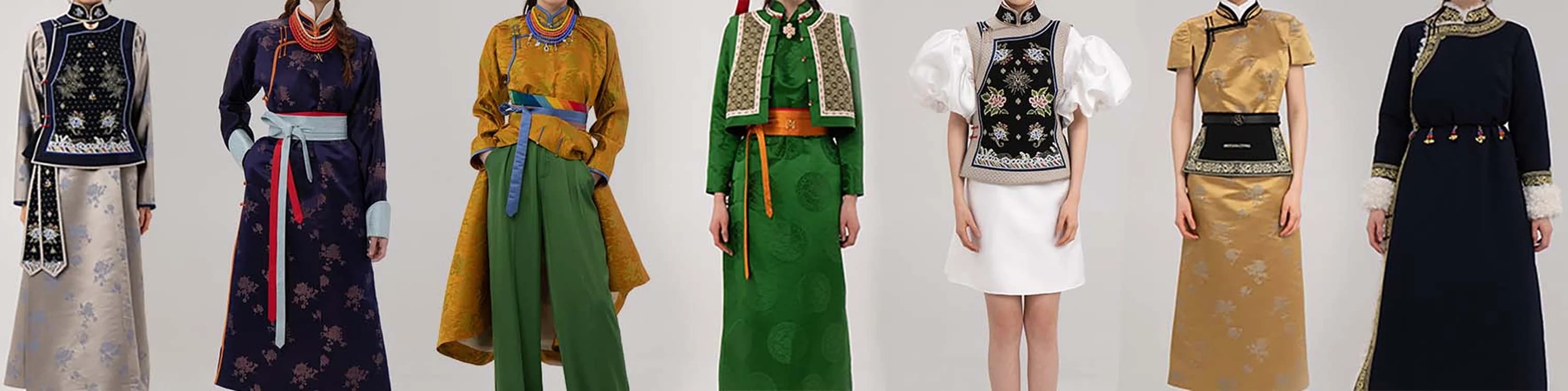
Today, while the Deel continues to embody ancient nomadic wisdom, it also inspires modern design, becoming a symbol of Mongolian identity and continuity.
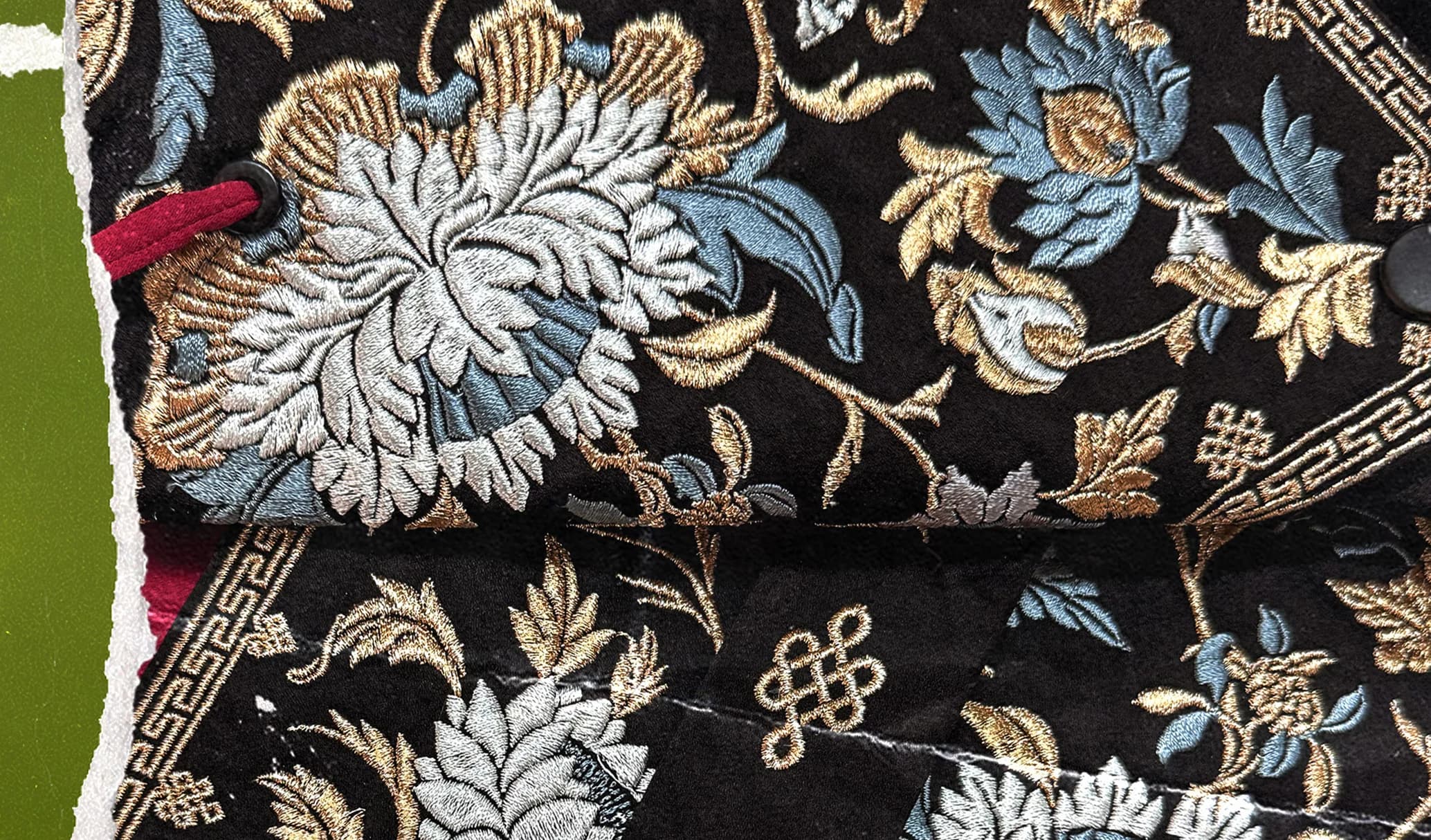
The Deel carries a purpose far beyond clothing. It represents balance — between human and nature, tradition and modernity, community and individuality. Its purpose includes:
Cultural PreservationThe Deel safeguards the history, customs, and artistic heritage of the Mongolian people, ensuring that generations can connect to their origins through wearable culture.
Symbolic ExpressionEvery detail — from color selection to embroidery — communicates meaning. Deels are worn for celebrations, ceremonies, and daily life, each piece telling its own story.
Sustainable LivingTraditionally crafted from natural, biodegradable materials, the Deel is inherently eco-conscious. Its durability, multifunctional purpose, and minimal-waste construction align with sustainable principles valued today.
Identity & UnityFor Mongolians worldwide, the Deel serves as a unifying symbol — a reminder of shared ancestry, nomadic roots, and cultural pride.
Artistic CraftsmanshipThe making of a Deel requires advanced handwork, precise tailoring, and deep knowledge of heritage techniques. It stands as a testament to Mongolia’s artistic excellence.
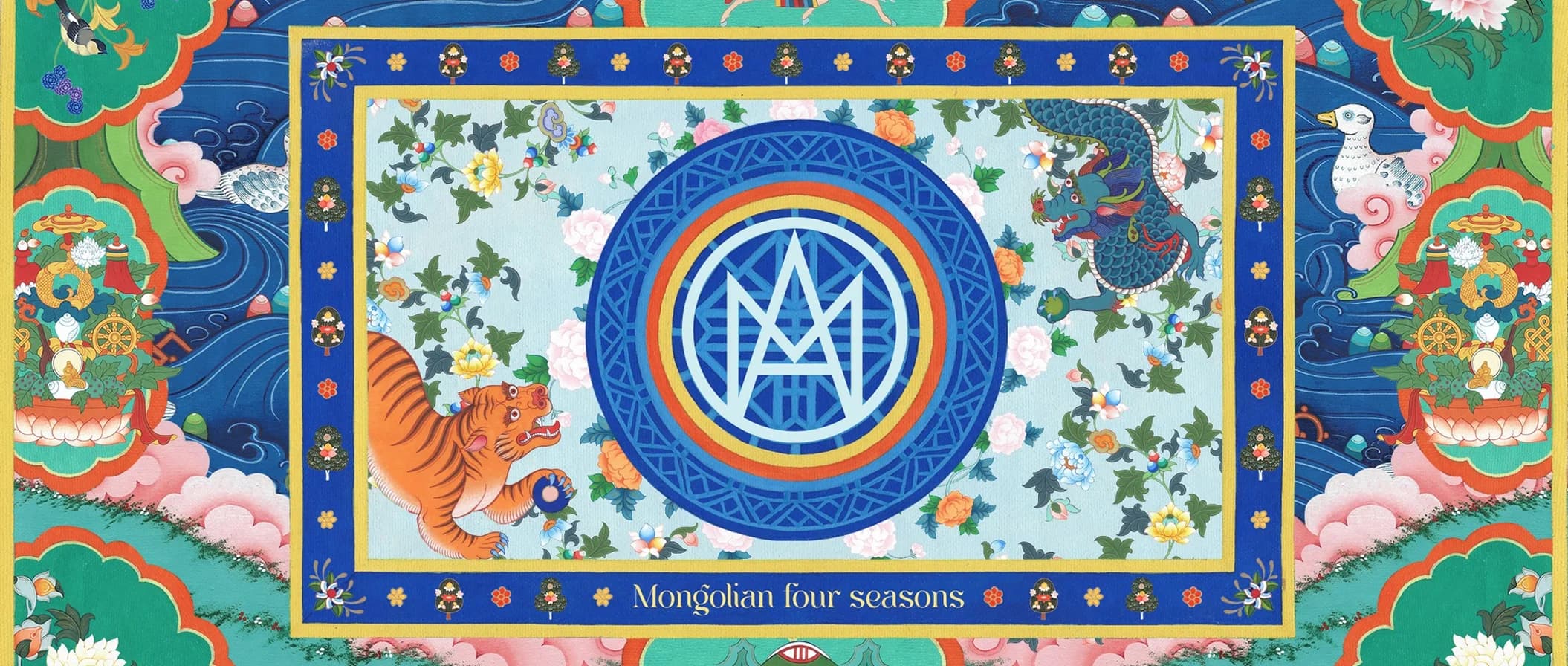
Mongolian Deels traditionally reflect clear gender-based design differences while maintaining the garment’s iconic silhouette.
Men’s Deel- Typically features simpler lines and muted, practical colors suited for riding, hunting, and outdoor work.
- Shoulders and chest areas are shaped for strength and mobility.
- Belts are wider, often decorated with metal accessories symbolizing masculinity and protection.
- Often crafted with more intricate patterns, luxurious fabrics, and decorative trims.
- Embroidery, vibrant colors, and elegant tailoring highlight grace and femininity.
- Accessories such as jewelry, sashes, and ornate closures enhance cultural beauty and status.
These differences historically represented the distinct roles of men and women within nomadic society while celebrating both through artistry.
Social Status and RankThe design, color, and material of a Deel historically communicated one’s social position, wealth, and profession.
Fabric & Materials- Silk, brocade, and fine wool indicated nobility or high-ranking officials.
- Everyday Deels used cotton, felt, or wool, reflecting modest living.
- Royal and noble families used deep blues, rich reds, gold, and emerald tones symbolizing power and prosperity.
- Common families wore natural, earthy hues suited to daily life.
- Elaborate borders, gold thread embroidery, and precious stones signified influence and prestige.
- Decorative fastenings and belt designs also marked rank and heritage.
The Deel functioned as a visual identifier — a social map worn on the body.
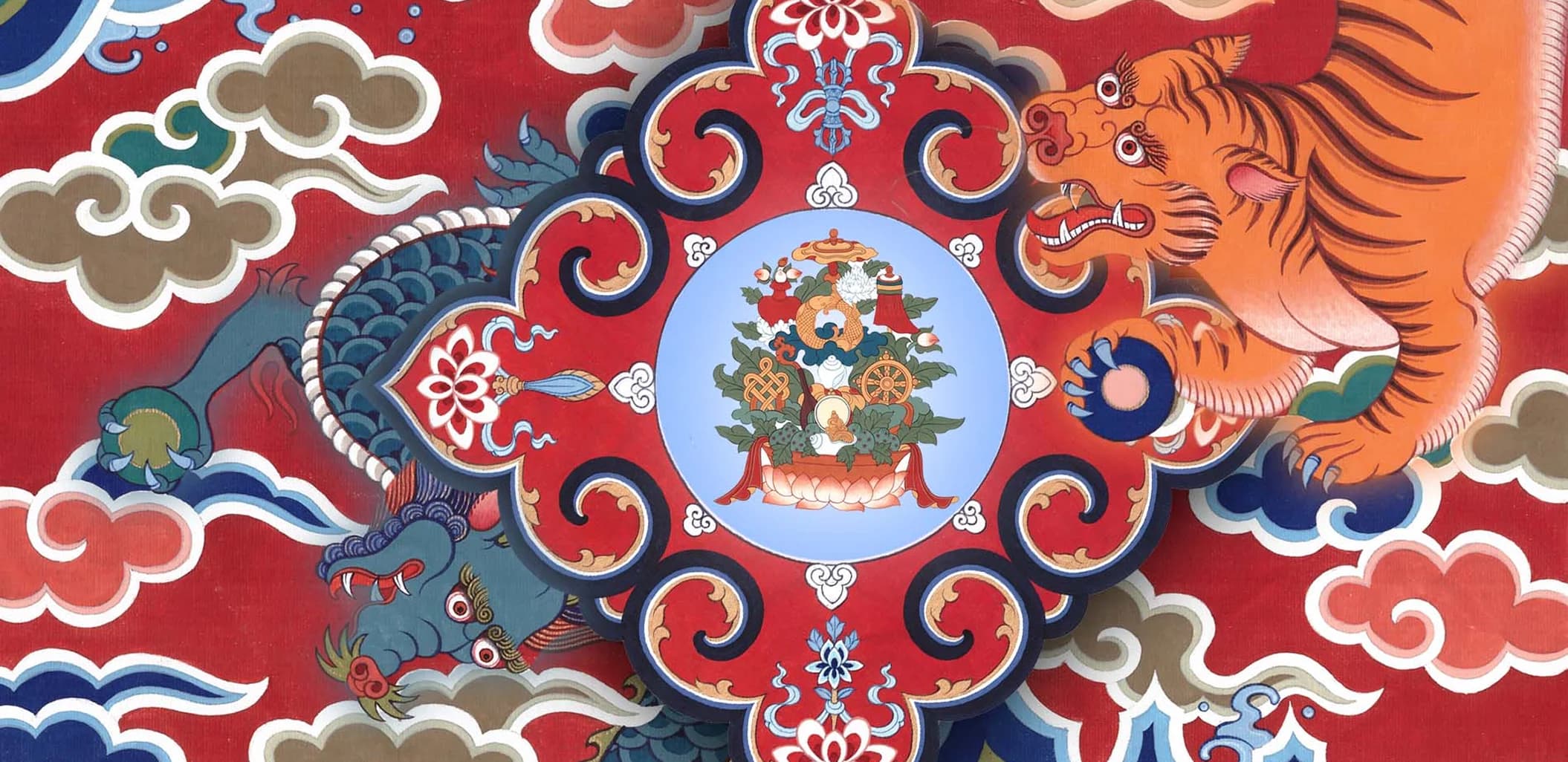
Every element of the Deel carries symbolic value grounded in Mongolian worldview and nomadic philosophy.
Colors- Blue represents the eternal sky (Tenger), dignity, and peace.
- Red & Gold symbolize vitality, fortune, and protection.
- Green reflects harmony with nature.
- White signifies purity, goodwill, and spiritual clarity.
- Protection
- Prosperity
- Longevity
- Sacred balance
The wrap-around form of the Deel symbolizes unity and protection, reflecting the Mongolian belief in embracing life with stability and purpose.
Cultural Role TodayIn modern Mongolia and global communities, the Deel continues to be:- A symbol of national pride
- A garment for ceremonies, holidays, and identity celebrations
- A source of inspiration for contemporary fashion and cultural diplomacy
Its social significance evolves, but its essence remains — a connection to ancestral wisdom, artistry, and the enduring spirit of the Mongolian people.